
Amundsen Packed Extra Skis
From The race to the South Pole, 1911 — Roald Amundsen and Robert Falcon Scott
In 1911, two teams set out for the South Pole at roughly the same time, from roughly the same continent, with roughly the same goal: be first, or die trying. One of those outcomes happened to each of them, and it wasn’t randomly assigned.
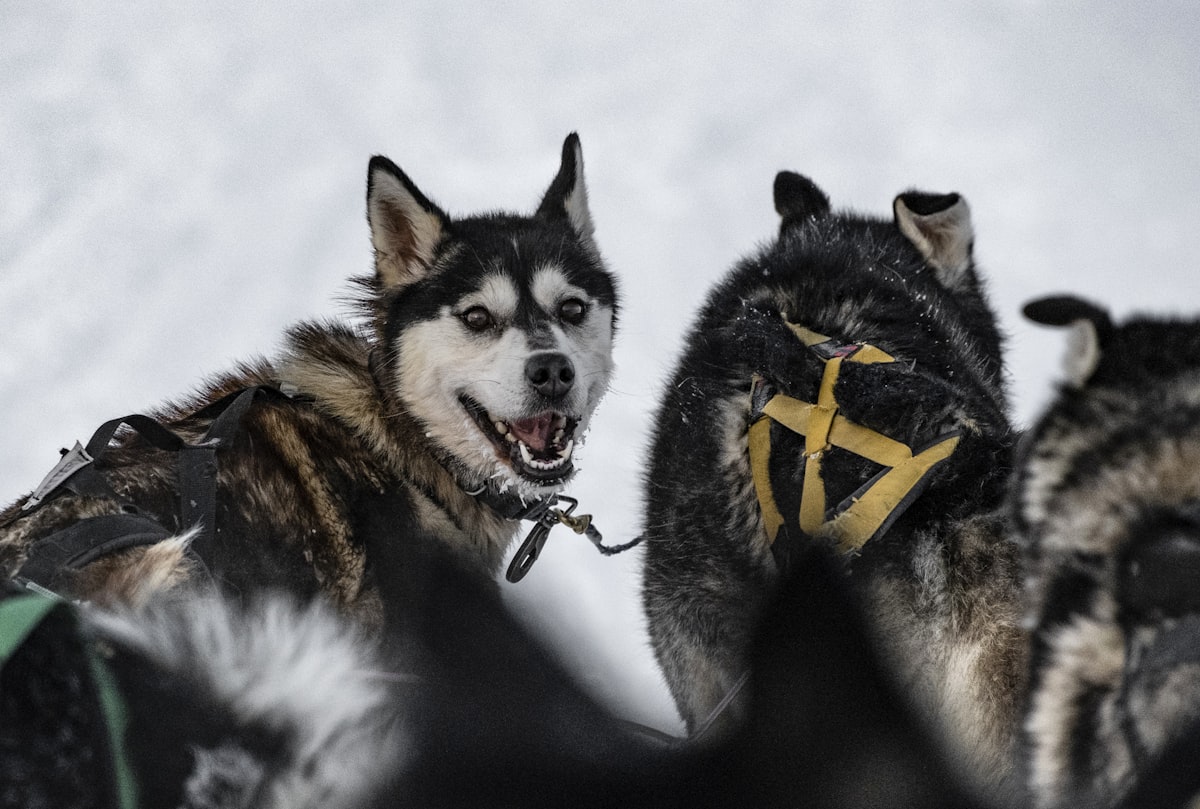
Roald Amundsen’s preparation reads like a checklist written by someone who assumed everything would go wrong, because he’d done the math and most of it would. He used dogs instead of ponies, because dogs handle cold better and, when necessary, can become the next meal for the remaining dogs — a detail that is somehow both grim and extremely well thought through. He cached supplies along the route with flags spaced wide enough that a team slightly off-course could still find them. He brought extra skis. He trained for years in conditions designed to be unpleasant, on the theory that unpleasant was what he should expect to find.
Robert Falcon Scott brought ponies, which struggled in the snow and had to be shot partway through. He brought motorized sledges, which broke down almost immediately. His supply caches were single points marked by single flags, easy to miss in a whiteout, which is exactly what happened. He and his team reached the Pole thirty-four days after Amundsen, found the Norwegian flag already planted, and died on the return journey, less than a day’s march from a supply depot they probably could have reached.
Amundsen wasn’t more talented or braver. He just refused to plan for the trip he wished he was taking instead of the one he was actually on.
This is, uncomfortably, most of self-improvement. We pack for the version of the project where we feel inspired every day, where the schedule holds, where the first draft is good. Then conditions arrive — the ones that were always statistically likely — and we have no extra skis, no backup cache, nothing but the plan that assumed the best version of ourselves would show up and stay.
The Tenant loves to frame this as a character problem: you should have just been more disciplined, more motivated, more Amundsen. But Amundsen’s edge wasn’t a personality trait. It was a refusal to be surprised by weather. Plan for the version of you that’s tired, distracted, and slightly behind — because that’s the one who’s actually going to make the trip.
If this was useful, the next one will be too.
One short essay when it’s ready. No schedule, no spam, no tracking.