
Twenty-Seven Years, and He Came Out Looking for a Way to Share the Country
New here? Get the next one.
One email, no schedule.
From Nelson Mandela — imprisoned 1962–1990; the Truth and Reconciliation Commission, established 1995
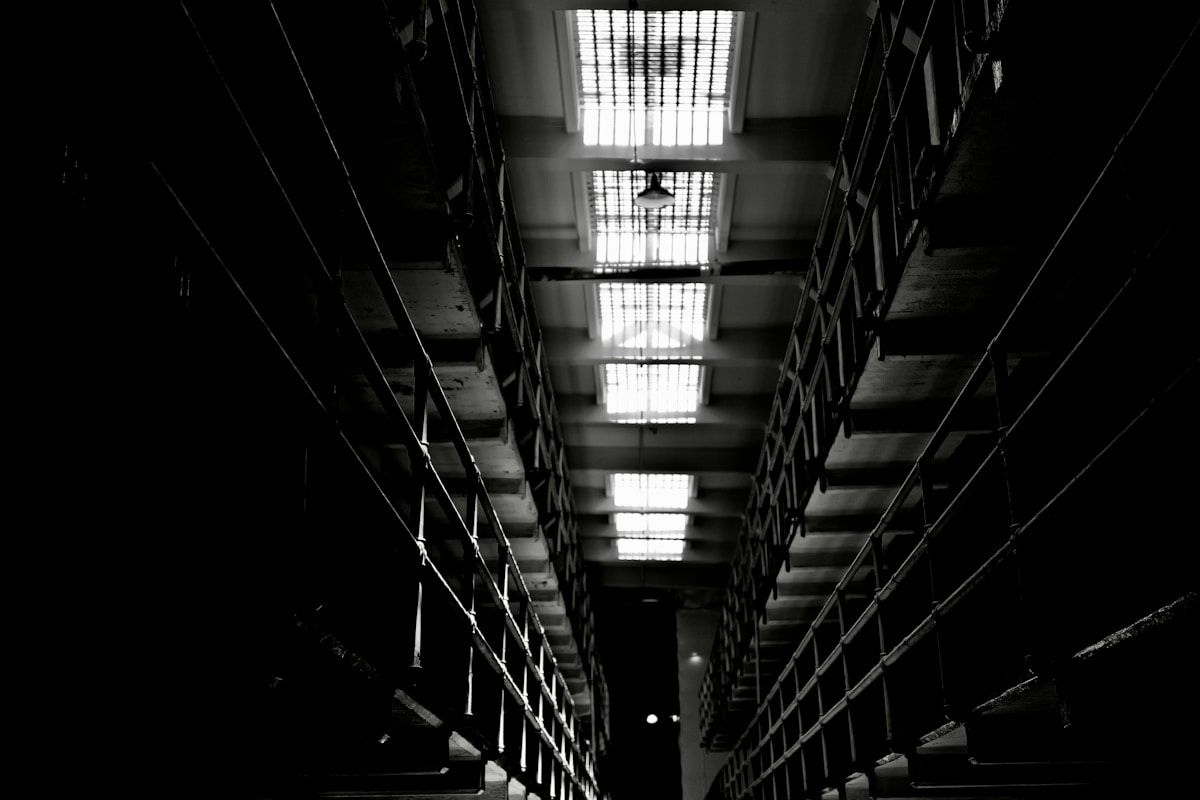
Nelson Mandela spent twenty-seven years in prison. Robben Island, then Pollsmoor, then Victor Verster. He went in a young man and came out in 1990 at seventy-one.
Sit with the arithmetic. Twenty-seven years is not a setback. It is most of an adult life, taken deliberately, by a system built to take it. Every ordinary account says the man who walks out of that is owed a reckoning — and he walked out with the standing to demand one.
Then consider what he was entitled to. Bitterness was available to him, and it was legitimate. He could have spent whatever years he had left being owed — angry, publicly and justifiably, at the people who took the middle of his life — and not one person on earth could have told him he was wrong to. That is the alternative, and it has to be on the table, because a choice that costs nothing is not a choice.
He came out looking for a way to share the country with the people who had put him there.
His government dismantled apartheid’s machinery and built toward reconciliation, and it created a Truth and Reconciliation Commission to investigate the abuses of the era. Here is the part that gets forgotten. The Commission’s report held his own party responsible for gross human rights violations too — and on the eve of the handover the ANC went to court to stop it. The court found against them. Mandela took the report, and told the room he accepted it “as it is” — with all its imperfections.
He wanted the record open more than he wanted it flattering, and he wanted it more than his own party did.
That is not softness, and it is not forgiveness in the greeting-card sense. It is a man looking at the full account, agreeing every line of it is owed, and deciding a country was worth more than collecting.
The scale does not transfer and is not meant to. Nobody reading this is owed twenty-seven years.
But everyone carries a smaller version of the same ledger. The thing that was done to you. The apology that never came. The account you keep current, and check now and then, because closing it would feel like letting them off.
Mandela had the strongest claim available to a human being and set it down — not because it was not owed, but because he had worked out what he wanted more. He chose to use the time he had left well, and he had less of it than most men his age.
There is one more thing in this, and it is the part that is easy to get wrong in a comforting direction. The twenty-seven years were not a detour on the way to the man who walked out. They built him. The patience, the read on his opponents, the knowledge of exactly what the thing he was dismantling cost a person — none of that was available anywhere else, and none of it could have been acquired more pleasantly. Change any part of that life and a different man comes out of Victor Verster, and that man does not do what this one did.
Which is not to say the twenty-seven years were lucky, or secretly a gift, or worth it. They were a theft and they stayed a theft. The claim is narrower and harder: they were formative, and they were not substitutable. What happened to you is not a tax you paid on the way to your life. It is a good part of what you are now qualified to do.
That is the whole question, at every scale.
What do you want more than being owed?
If this was useful, the next one will be too.
One short essay when it’s ready. No schedule, no spam, no tracking.