
The Thing You Keep Checking Is Costing You
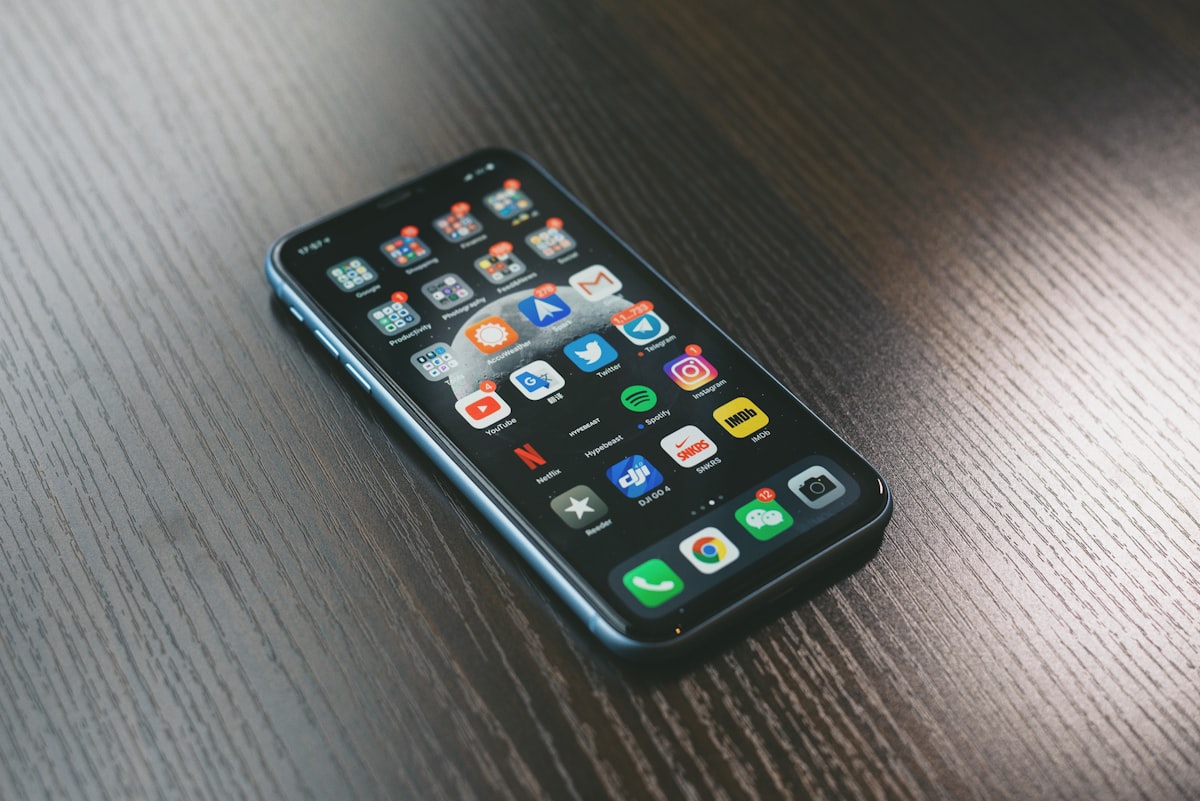
Gloria Mark at UC Irvine spent years measuring how long it takes to return to a task after an interruption. The number she kept landing on was around twenty-three minutes.
Not two. Not five. Twenty-three.
The interruption doesn’t have to be a phone call or someone walking into your office. A glance at email counts. A quick check of the score. The notification that you spotted in your peripheral vision and told yourself you’d ignore but didn’t.
The Steward finger is about guarding attention and energy. Most people think this means being productive. It means something more specific: recognizing that your attention is the one resource that cannot be replenished on a normal timeline. Money runs out and can come back. Sleep you can catch up on, a little. But attention given to the wrong thing is gone in a way that feels different — it leaves a vague residue, a sense that the day slipped by without you directing it.
The phone in your pocket is not the problem. The problem is the story that something might need you right now. Almost nothing needs you right now. The actual emergencies in most people’s lives arrive slowly and make themselves known without assistance.
The check that felt urgent almost never was. What it was, instead, was a small escape from the harder thing sitting on your desk.
Stewardship of attention is not about willpower. It is about designing conditions where the temptation doesn’t come up constantly — and about noticing, when it does come up, what you were doing in the moment before you reached for it.
That moment before is usually worth returning to.
If this was useful, the next one will be too.
One short essay when it’s ready. No schedule, no spam, no tracking.