
The Wrecks Under Chuuk Lagoon
New here? Get the next one.
One email, no schedule.
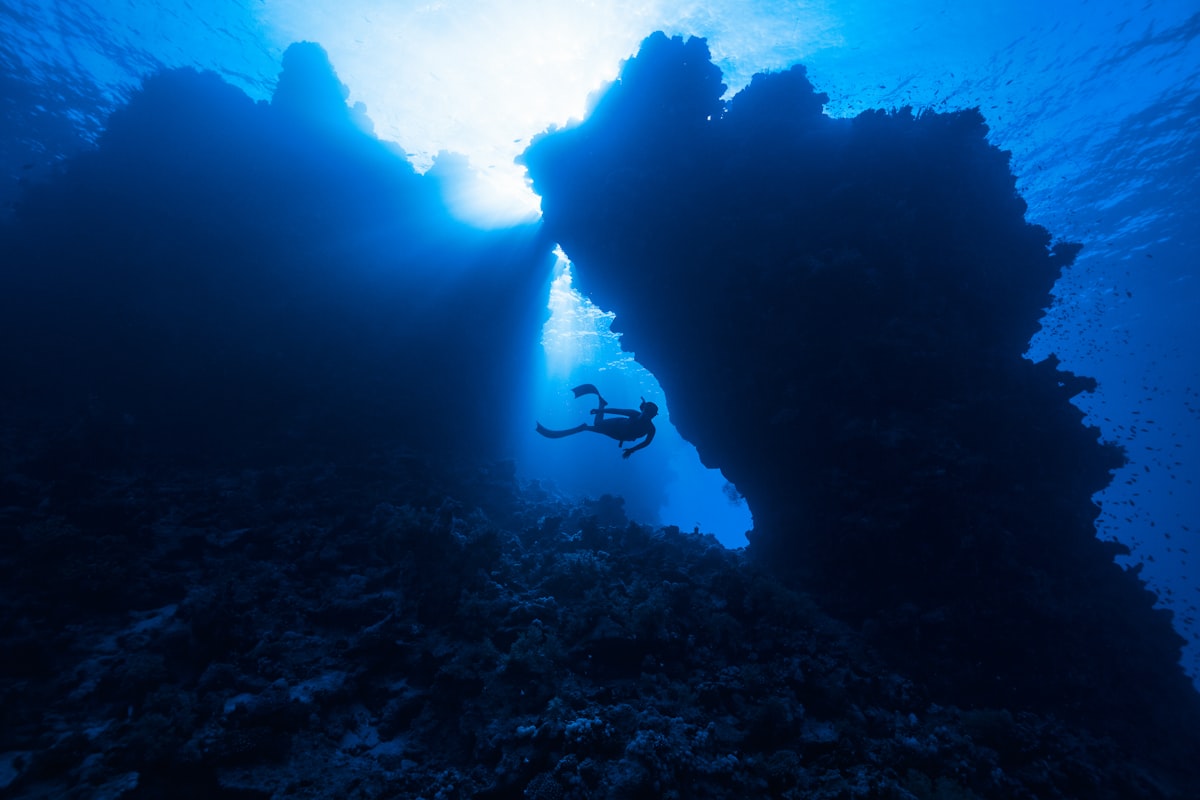
In 1944, the United States Navy sank most of the Japanese Fourth Fleet at anchor in Chuuk Lagoon. Sixty-odd ships went down in two days. Fighters, freighters, tankers. Some of them still have the cargo aboard — trucks, bulldozers, motorcycles in the hold, still crated, waiting for a war that ended before they were needed.
Today, divers go down to see them. The coral has been working on the steel for eighty years. What was a weapons platform is now a reef. The fish do not know what it was.
A writer named Candice Landau described the experience as pilgrimage. She did not mean it loosely. She meant that going down into that lagoon was an act of witness — that something about being present where history happened, with your own hands on the encrusted hull, changed what she understood about scale.
The Explore finger is not just about movement. It is about the version of yourself that exists only when you are genuinely outside your usual frame. That version is harder to reach than it looks. You can travel and never find it — staying inside the itinerary, the group, the comfort of already knowing what to think.
Exploration becomes pilgrimage when you let the place mark you. When you come home carrying something you did not bring.
The wrecks in Chuuk Lagoon are a dramatic version of what every honest journey offers: the recognition that the world is older, larger, and stranger than the slice of it you have been living in. And that this is not bad news.
Go somewhere that will require you to update your assumptions. Then pay attention to what updates.
If this was useful, the next one will be too.
One short essay when it’s ready. No schedule, no spam, no tracking.