
Theodore Roosevelt's Letters Were Mostly Nonsense, and That Was the Point
From Theodore Roosevelt's Letters to His Children, compiled 1919 — full text at gutenberg.org/ebooks/6467
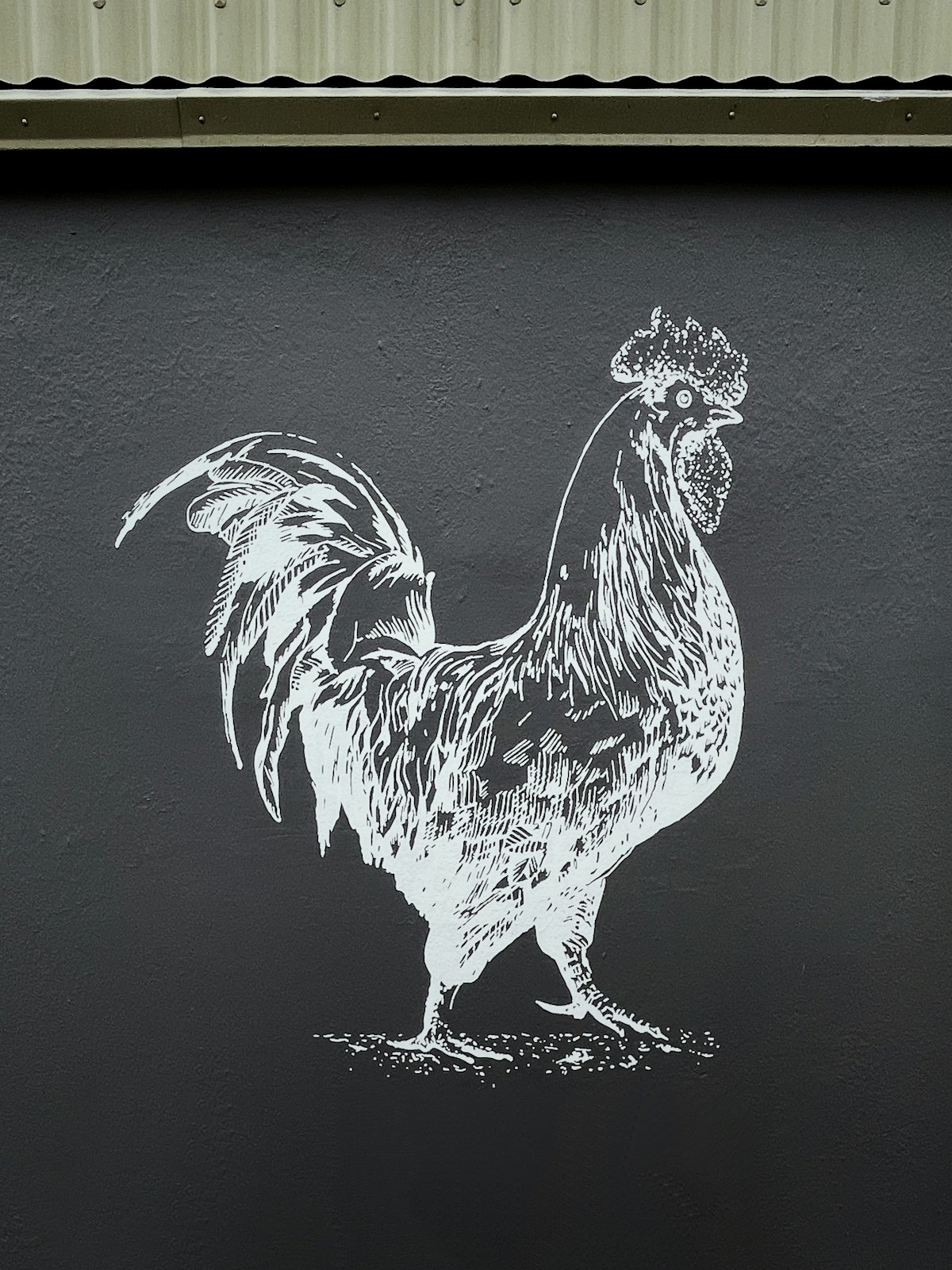
Theodore Roosevelt ran the Spanish-American War, busted monopolies, carved national parks out of sheer stubbornness, and somehow still found time to write his children letters about Fierce, the family’s one-legged pet rooster, complete with hand-drawn illustrations of the bird in question.
The letters, later collected and published, are not full of grand fatherly advice. They are mostly nonsense — reports on the family dogs, sketches of himself wrestling with his children on the White House lawn, a running bit about a flying squirrel that lived in the curtains. He once interrupted a letter to his son Kermit to describe, in detail, the proper way to hold a horned toad. This was the President of the United States. He had other things he could have been doing.
That’s exactly the point. He didn’t write to impress them or instruct them. He wrote to stay inside their world, on their terms, about whatever they currently found hilarious.
A father’s wisdom doesn’t always arrive as wisdom. Sometimes it arrives as a drawing of a rooster, and the wisdom is that you bothered to draw it.
It’s tempting to think the job is to hand down lessons — life advice, delivered at the right moment, in the right tone, remembered forever. Roosevelt clearly believed something else: that showing up consistently in the silly, unimportant stuff was the actual curriculum. The kids didn’t need a memo about loyalty and attention. They had years of letters about a rooster, written by a man who ran the free world and still thought they were worth the postage.
Decades later, his children didn’t quote his policy positions back at biographers. They kept the letters. The nonsense was the message. The rooster was the relationship.
So if your version of fatherly wisdom this Father’s Day is a bad pun, a doodle on a napkin, or forty-five minutes spent explaining something your kid finds endlessly funny and you find only slightly funny — you’re not failing to deliver the important stuff. You’re delivering exactly it.
If this was useful, the next one will be too.
One short essay when it’s ready. No schedule, no spam, no tracking.