
Wendell Berry Found Peace Where the Wood Drake Floats
New here? Get the next one.
One email, no schedule.
From "The Peace of Wild Things" by Wendell Berry
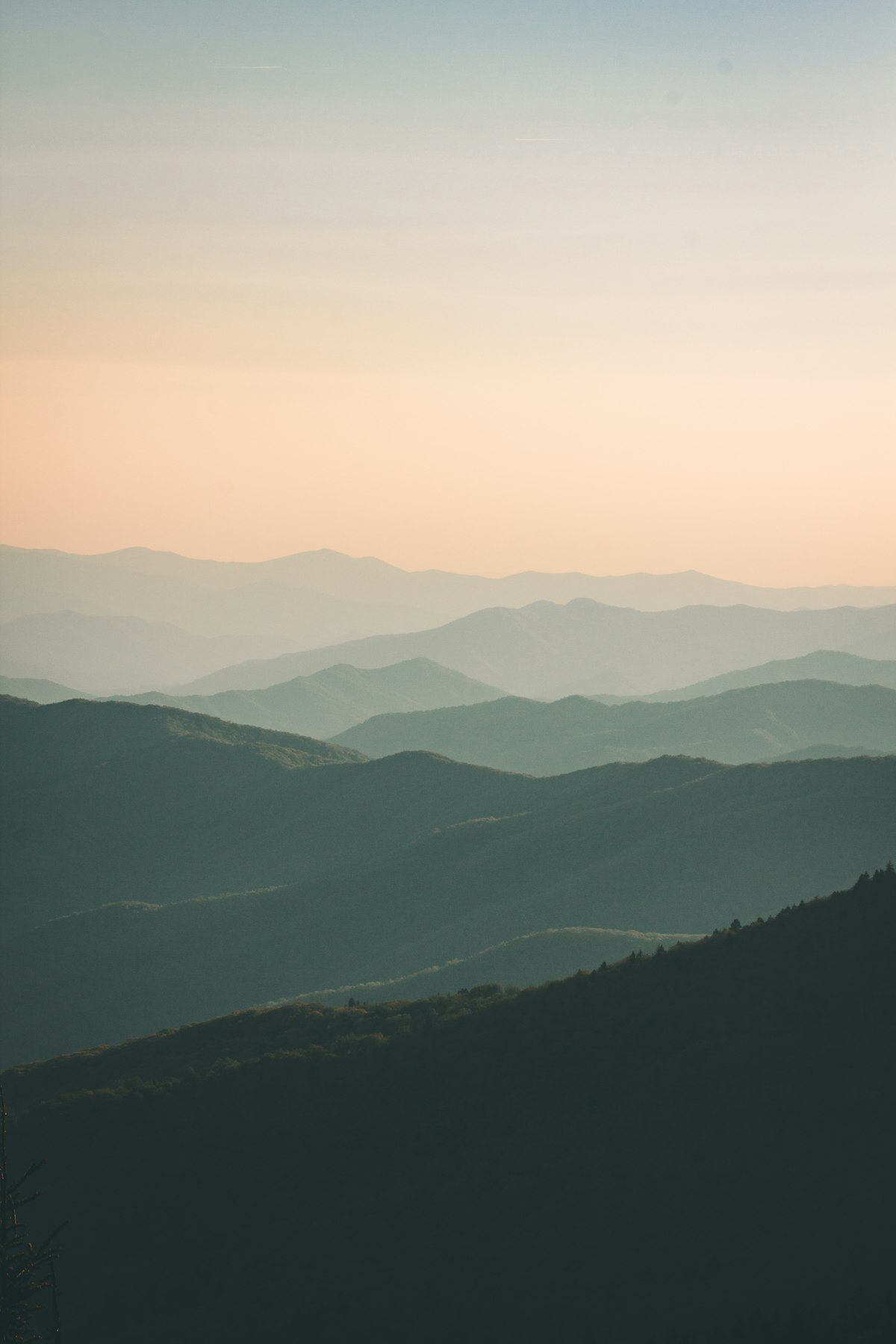
Wendell Berry’s poem “The Peace of Wild Things” opens with a confession most people would edit out: When despair for the world grows in me / and I wake in the night at the least sound / in fear of what my life and my children’s lives may be. No throat-clearing, no context. Just a man, awake at 3 a.m., doing the thing everyone does at 3 a.m. — running the worst-case scenario on a loop with excellent production values.
What he does next is the part that gets quoted on coffee mugs, usually stripped of everything that came before it: he goes and lies down where the wood drake floats on the water, and the great heron feeds, and he rests in “the grace of the world,” and is free.
It sounds like an escape. It isn’t, quite. The wood drake doesn’t know anything Berry doesn’t know. The heron isn’t at peace because it’s solved a problem — it’s wading around looking for fish, which is a precarious, hungry way to live. Nothing in that scene is actually safe. The duck could be eaten by the time the poem ends. That’s not the point.
The peace isn’t that the world is fine. The peace is that, for a moment, he stops being the one in charge of whether it’s fine.
This is the thing the Tenant can’t stand — the inherited inner critic that pays no rent and considers vigilance a full-time job. The Tenant’s entire business model depends on you believing that if you just keep thinking hard enough, at 3 a.m., about your children’s lives and the state of the world, something will improve as a direct result. It won’t. The heron is not improving by worrying. The heron is just standing in the water, doing heron things, and somehow this is not a moral failure on the heron’s part.
You don’t need a pond. The poem isn’t really about ponds — Berry just happened to have one nearby, being a farmer, which is a separate kind of luck. What it’s actually describing is available anywhere there’s something alive that isn’t asking anything of you: a tree outside an apartment window, a dog asleep in a patch of sun, the sound of rain that doesn’t care if you hear it.
For a moment you stop auditing the future. Nothing about the future changes. And somehow that’s the relief.
If this was useful, the next one will be too.
One short essay when it’s ready. No schedule, no spam, no tracking.