
What You Protect Determines What You Build
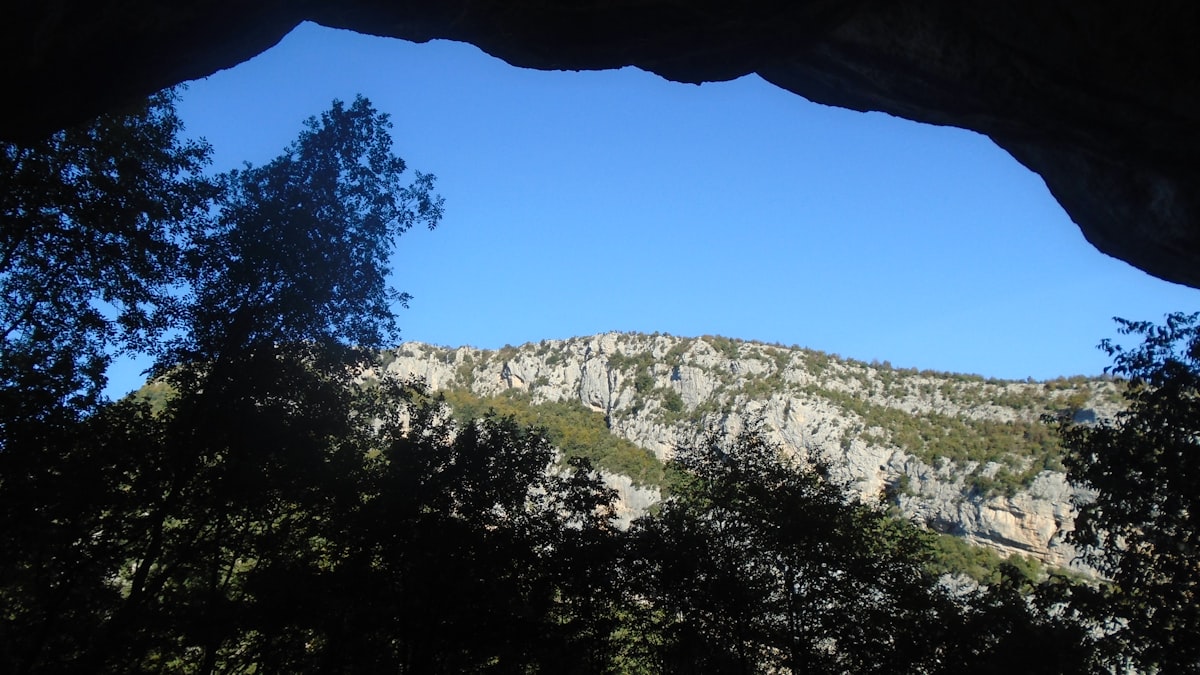
In the sixth century, Benedict of Nursia moved into a cave above the Anio River for three years. Not because he had decided the world was irredeemably terrible. Because he found he genuinely could not think inside it — too much noise, too many directions pulling at him. The cave wasn’t the point. It was the tool that gave him a place to think.
This is, across nearly every tradition that has produced lasting wisdom, a recurring move: before you can see clearly, you have to have some control over what is entering your eyes.
Most of us do not have a cave. We have a phone that buzzes and an inbox that refills and a social feed engineered by people whose job is specifically to be more compelling than whatever you were already doing. The competition is not fair. Distraction is fast and loud and optimized. Attention is slow and quiet and does not have a growth team.
Left to compete without any help, distraction wins every time.
You become what you let in. Not all at once, and not dramatically — gradually, and then very thoroughly.
The cumulative effect of having the door open all day is that you arrive at the end of it having responded to everything and initiated nothing. You have been reactive from the moment you woke up to the moment you put the phone down. This feels like being productive. It is closer to being a very efficient inbox.
Benedict’s three years in a cave was an extreme version of a much simpler principle: decide in advance what gets access to you, rather than leaving it open and sorting afterward. The sorting never catches up to the inflow.
This is not about becoming inaccessible or precious. It’s just noticing that attention given away is a trade — and trades should probably be examined before they’re made.
What is currently in your head that you did not choose to let in?
If this was useful, the next one will be too.
One short essay when it’s ready. No schedule, no spam, no tracking.