
 Reflections
 Amundsen Packed Extra Skis
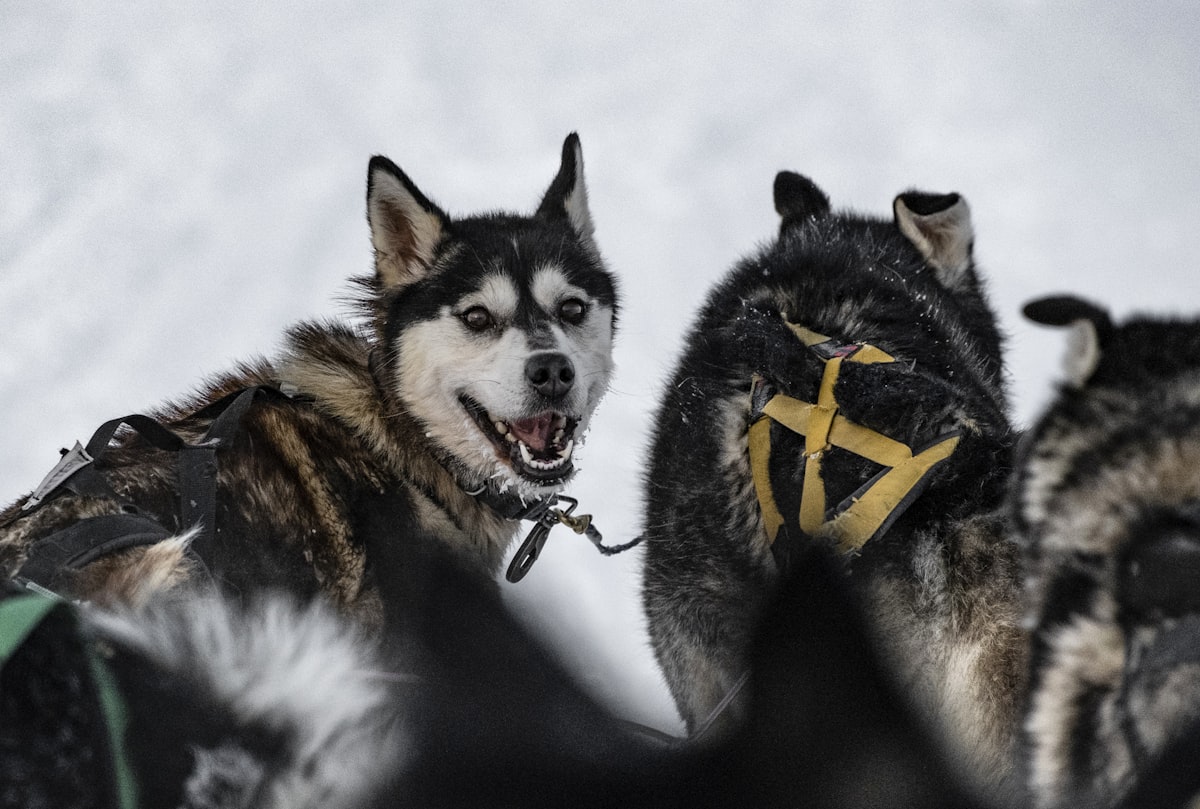
Two teams raced to the South Pole in 1911. One planned for boredom. The other planned for glory. Only one of them came home.
Photo by Fredrik Solli Wandem on Unsplash
Reflections Two teams raced to the South Pole in 1911. One planned for boredom. The other planned for glory. Only one of them came home.
Photo by Fredrik Solli Wandem on Unsplash
 Reflections
 The version of self-improvement built for an audience is not self-improvement — it is a different project entirely.
Photo on Unsplash
 Reflections
 Every interruption costs more than the moment it takes — and the check that felt urgent never was.
Photo on Unsplash
 Reflections
 Hemingway said the first draft of anything is garbage. He said it more colorfully than that. He was describing something beyond writing.
Photo on Unsplash
 Reflections
 Confucius taught for forty years and claimed to know almost nothing. His students found this confusing. It was the whole point.
Photo on Unsplash
 Reflections
 William McRaven gave a commencement speech about making your bed. It became one of the most-watched speeches in history. There is a reason it landed.
Photo on Unsplash
 Reflections
 Marcus Aurelius had unlimited power, unlimited distractions, and a private journal full of notes to himself about not being an idiot.
Photo on Unsplash
 Reflections
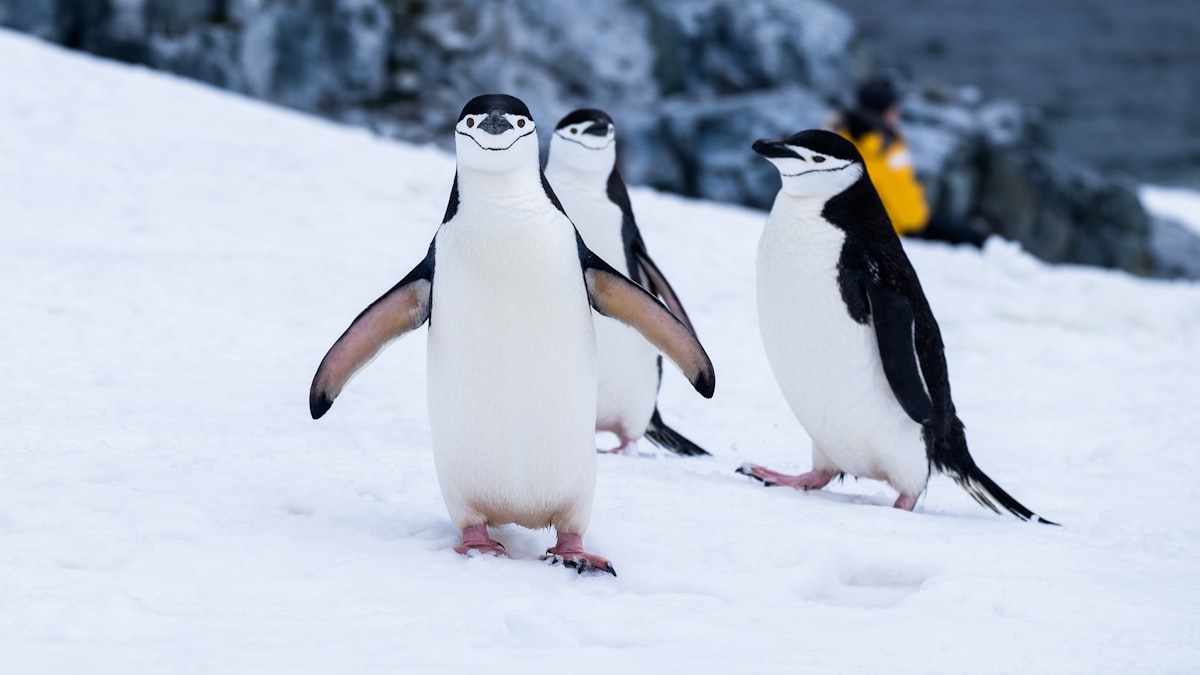
 Ernest Shackleton set out to cross Antarctica. The ship got stuck in ice before he reached land. He kept all 27 men alive anyway. No one crossed Antarctica.
Photo on Unsplash
 Reflections
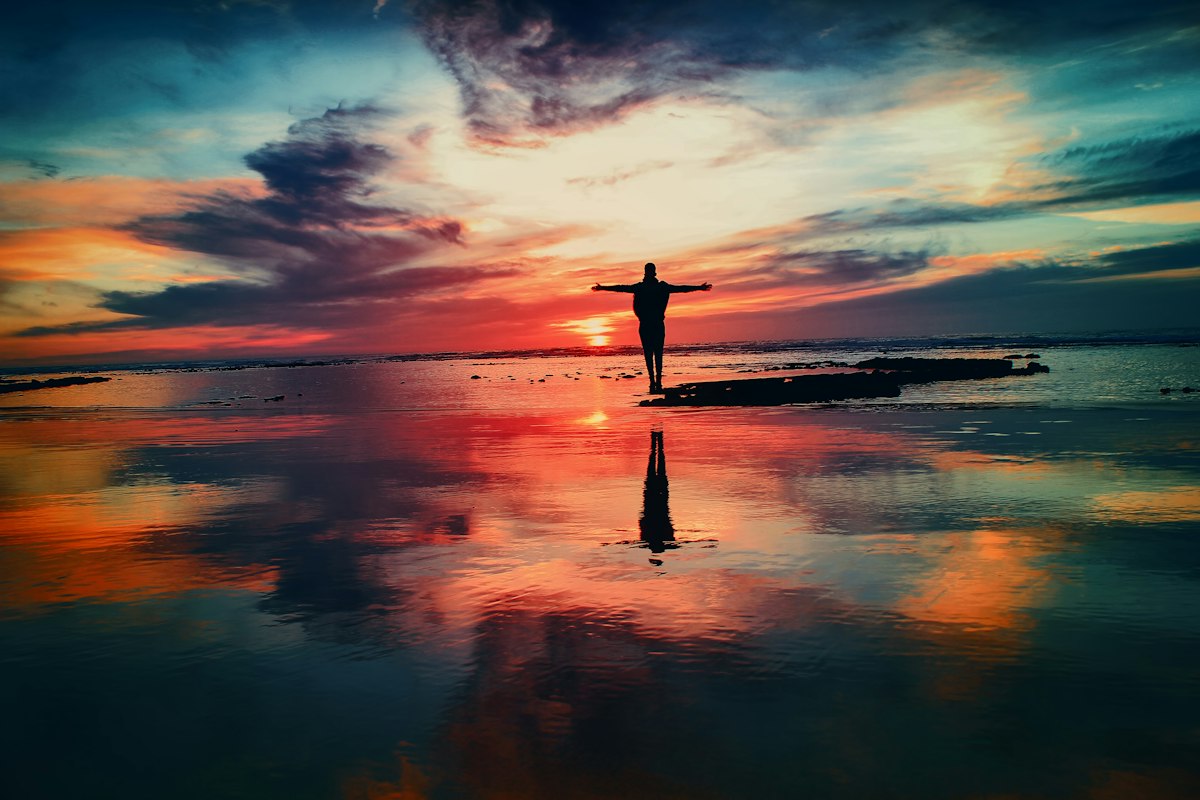
 There is a Rumi line that gets quoted at graduation ceremonies and painted on motivational posters. It is also correct.
Photo on Unsplash
 Reflections
 In 1986, George Carlin explained that a house is just a pile of stuff with a cover on it. He meant it as a joke. He also meant it.
Photo on Unsplash
 Reflections
 Pico Iyer said we travel first to lose ourselves, then to find ourselves. He was right about both. Most of us skip the first part entirely.
Photo on Unsplash
 Reflections
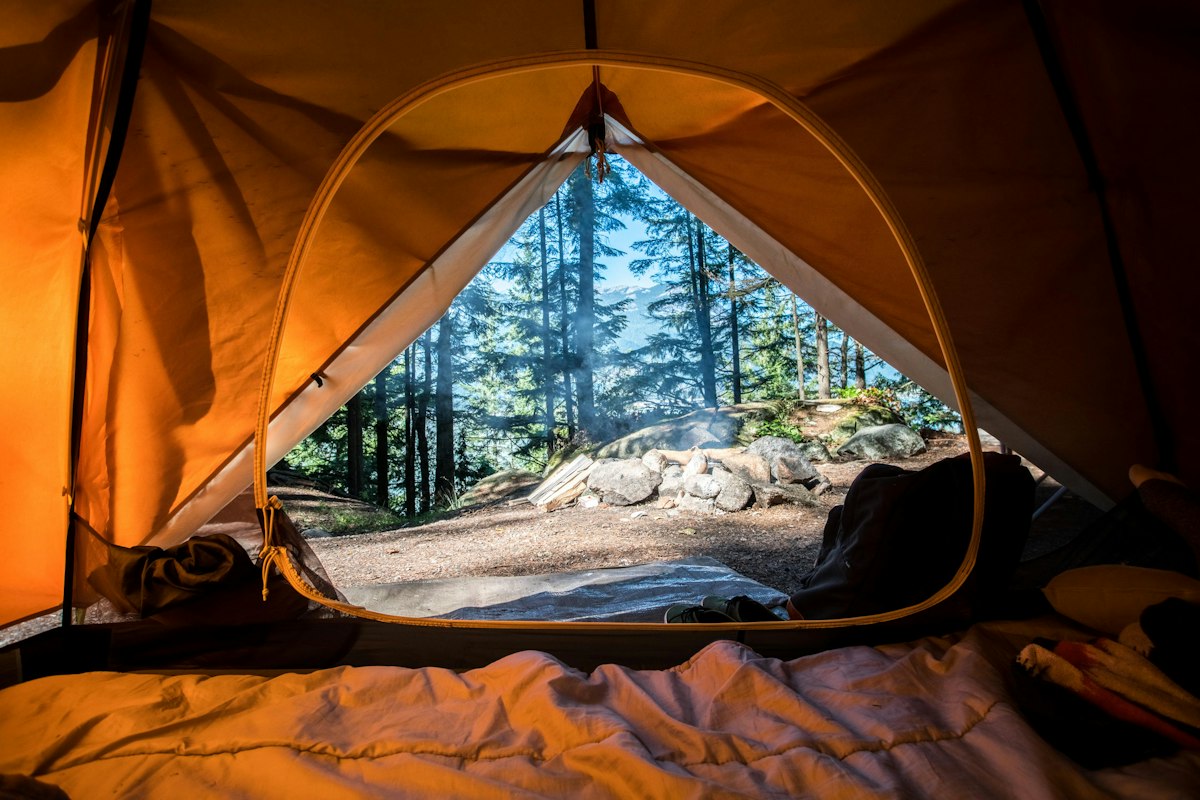
 Ibn Battuta walked 75,000 miles across the known world in the 1300s. He had a lot of opinions about arrival.
Photo on Unsplash