
Use the Good Dishes
New here? Get the next one.
One email, no schedule.
From Seneca, Letters to Lucilius, Letter 1 (trans. Richard Mott Gummere, Loeb, 1917)
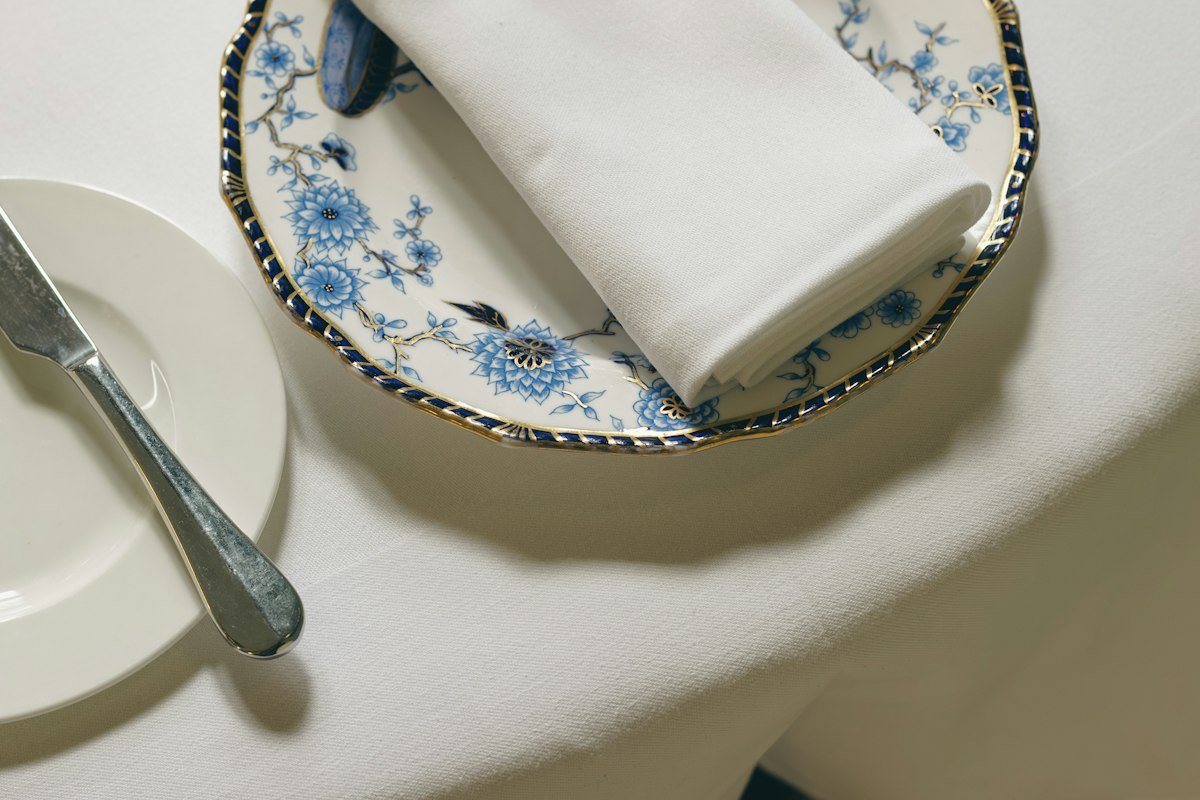
Almost every family has a set. The good dishes. They came from a wedding or a grandmother, and they live behind glass doors in a cabinet that gets dusted more than it gets opened. Twice a year they come out, get washed by hand, and go right back in.
They have company. The bottle of bourbon you’re “saving for something.” The nice towels only guests are allowed to touch. The shirt with the tags still on. The fancy soap shaped like a seashell that nobody has ever once used to wash anything. For a lot of families there’s a whole living room like this: the good one, with the good couch, where nobody sits.
Seneca saw this coming almost two thousand years ago. In the very first of his letters to his friend Lucilius, he put it in seven words: “While we are postponing, life speeds by.” That’s the whole thing. A perfectly good joy, saved so carefully for later that later never comes.
Saving it feels like taking care of it. Look closer, though. Every time the good plate goes back in the cabinet, a small decision gets made: today isn’t good enough. This dinner isn’t special. These people, the ones at the table right now, don’t rate the good stuff. Nobody would ever say that out loud. The cabinet says it for us, night after night. Meanwhile the occasion we’re waiting for keeps not showing up, and life keeps speeding by anyway.
And it isn’t only plates. Plenty of us save our best selves the same way. The good stories get saved for company. The patience gets saved for strangers. The full attention gets saved for some big day, while the ordinary Tuesday, the one we actually live in, gets the chipped version of everything.
The good dishes aren’t for a special day. Using them is what makes the day special. Keep Perspective means remembering that ordinary days are most of the days you get, and they rate the good stuff too. Living Bodhi isn’t serious. It takes life seriously enough to enjoy it, and you can’t enjoy what you keep in a cabinet. Waking up, here, is noticing that the occasion you’ve been saving everything for is already here.
So picture something you’ve been saving for “that” time. It could be tonight’s dinner, the plain one. Now picture it on the good plates. Same leftovers, same table, same people, the bourbon you were saving poured into the glasses you were saving. Picture somebody asking, “What’s the occasion?”
You get to look around the table and say, “You are.”
If this was useful, the next one will be too.
One short essay when it’s ready. No schedule, no spam, no tracking.